












Why defending local production is today both a strategic and cultural decision
The Silent Disappearance of Artisan Trades
Over the past decades, Europe has undergone a profound transformation in its productive fabric. Family workshops, small-scale manufacturers, and specialized trades that sustained local economies for generations have progressively disappeared. This is not merely industrial nostalgia; it represents the loss of technical knowledge, accumulated expertise, and a work culture built on precision, time, and responsibility.
The large-scale outsourcing of production to lower-cost countries — particularly in Asia — has been one of the main drivers of this shift. Many brands, pressured by tighter margins and highly competitive markets, chose to relocate their manufacturing processes abroad. The consequences are evident: fewer active workshops, fewer master artisans, and an increasingly fragile generational transition.
Today, finding a skilled professional specialized in leather craftsmanship capable of working to high standards is significantly more difficult than it was twenty years ago. This challenge is not temporary; it is structural.
Outsourcing and the Loss of Technical Knowledge
When production moves abroad, more than the physical manufacturing is relocated. The knowledge embedded in the process — material selection, cutting techniques, stitching methods, leather treatments, finishing details — also begins to fade.
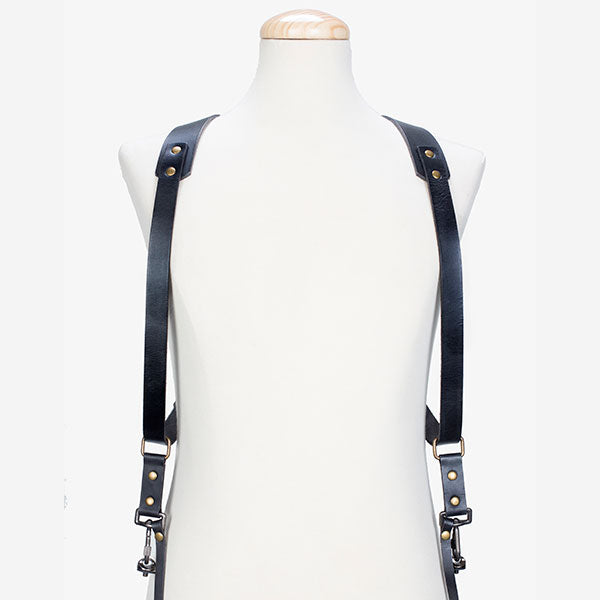
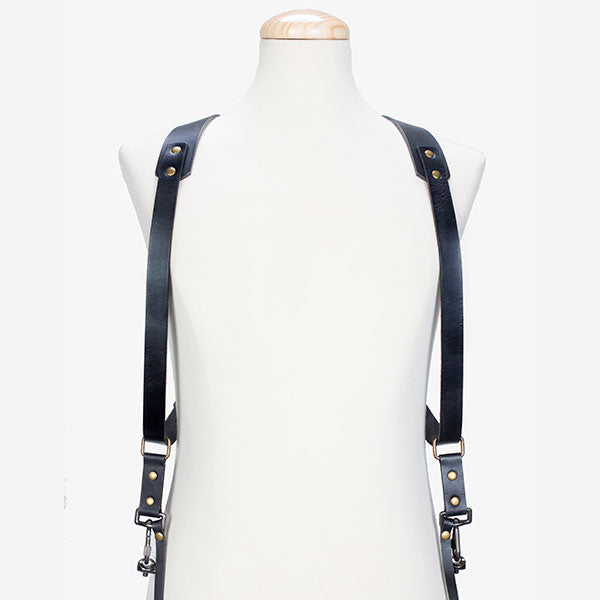
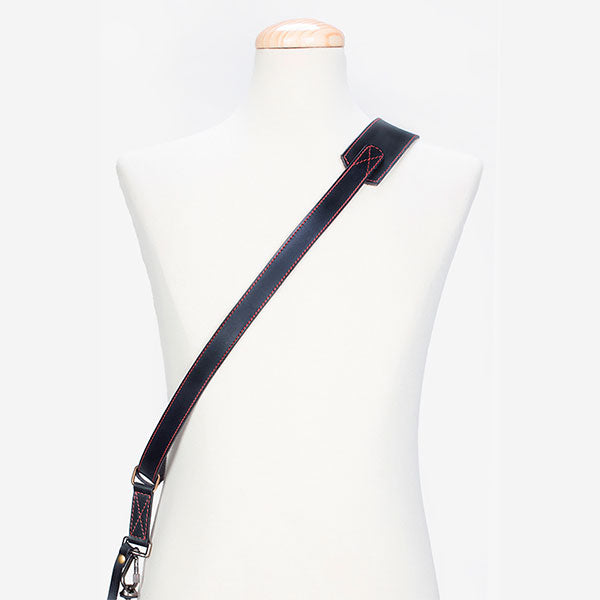
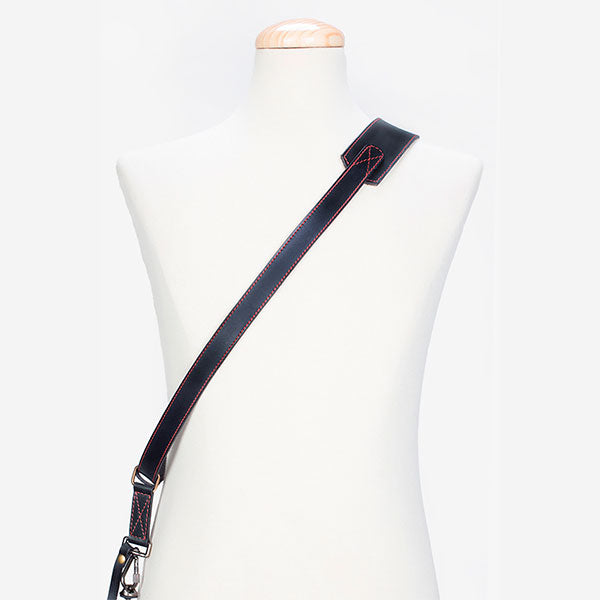
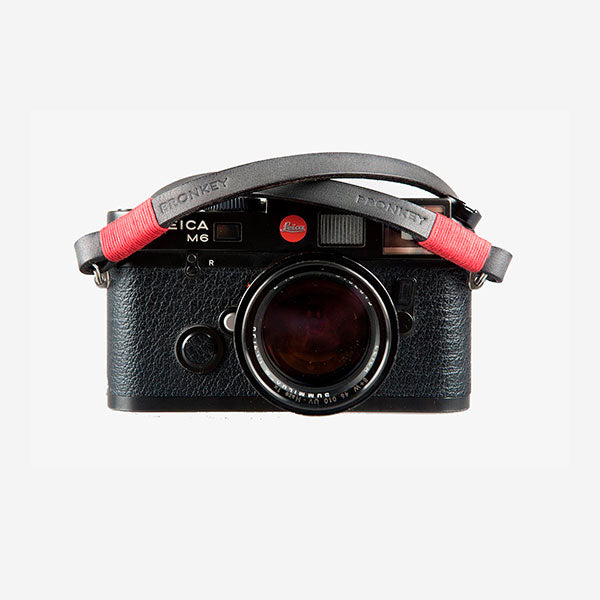
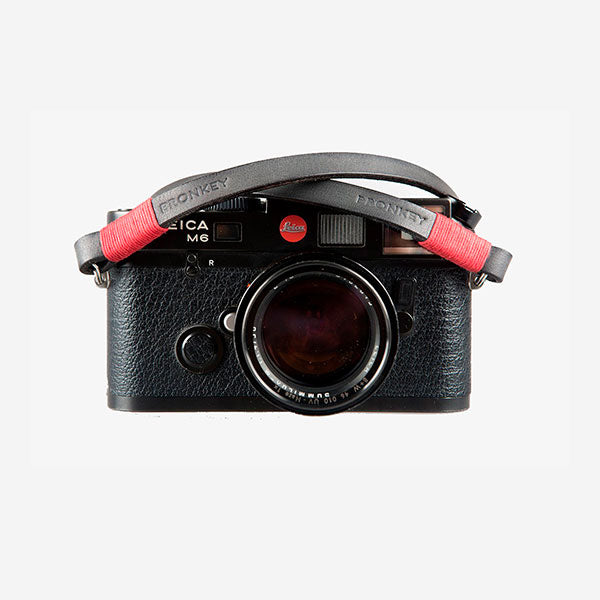
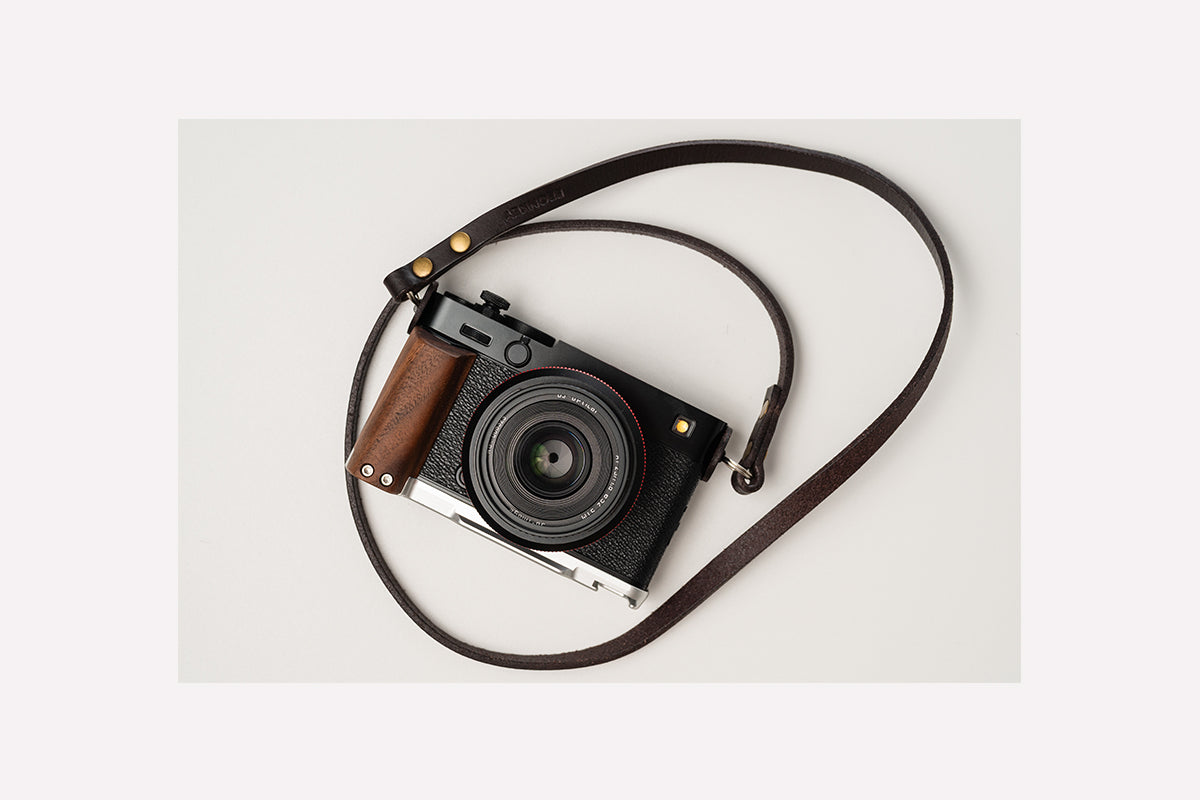
In sectors such as handcrafted photography accessories, this loss is particularly critical. A camera strap is not merely an accessory; it is a piece of equipment that ensures safety, ergonomics, and long-term durability. The same applies to camera harnesses or a double harness for photographers designed to support two professional camera bodies during intensive workdays. These products require structural precision, mechanical resistance, and deep understanding of materials.
Mass industrial production can offer volume and lower costs, but it rarely preserves the same level of artisanal control over each piece. When local workshops disappear, so does the ability to manufacture with independent technical criteria.
Generational Transition: The Real Challenge
One of the most complex issues is not only the reduction in workshops, but the absence of generational continuity. For years, manual trades were not presented as attractive professional paths, partly because the dominant narrative favored outsourcing and mass production as the only competitive model.
Training a leather artisan is not immediate. It requires years of practice, understanding of materials, mastery of manual tools, and technical sensitivity. When a master artisan retires without transferring that knowledge, it is lost.
In this context, manufacturing in Spain is not simply a geographic label. It is a deliberate decision to invest time in identifying active workshops, collaborating closely with them, and contributing to the survival of the craft.
Manufacturing in Spain: A Commitment That Requires Real Effort
Maintaining local production today means accepting objective challenges: higher costs, less accelerated production timelines, and greater logistical complexity. However, it also allows for rigorous quality control, material traceability, and direct relationships with those who manufacture each piece.
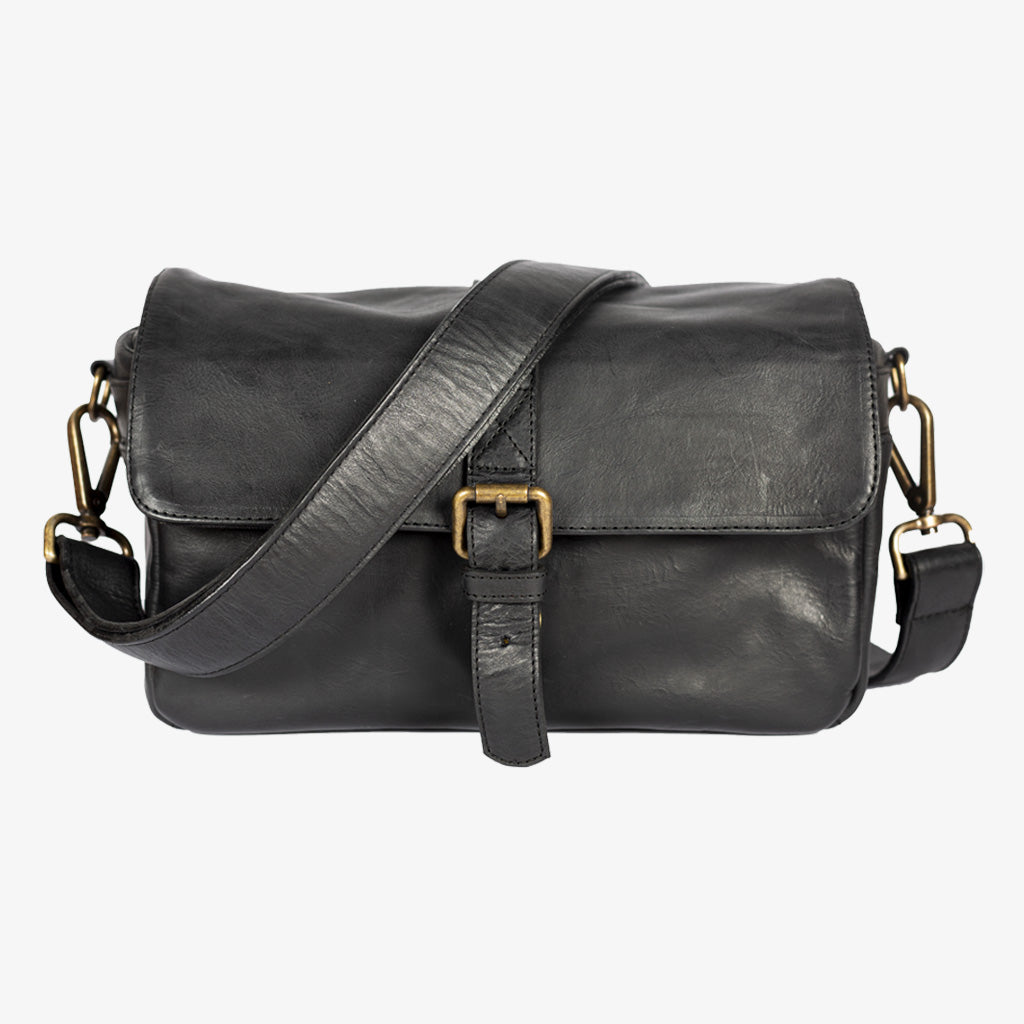
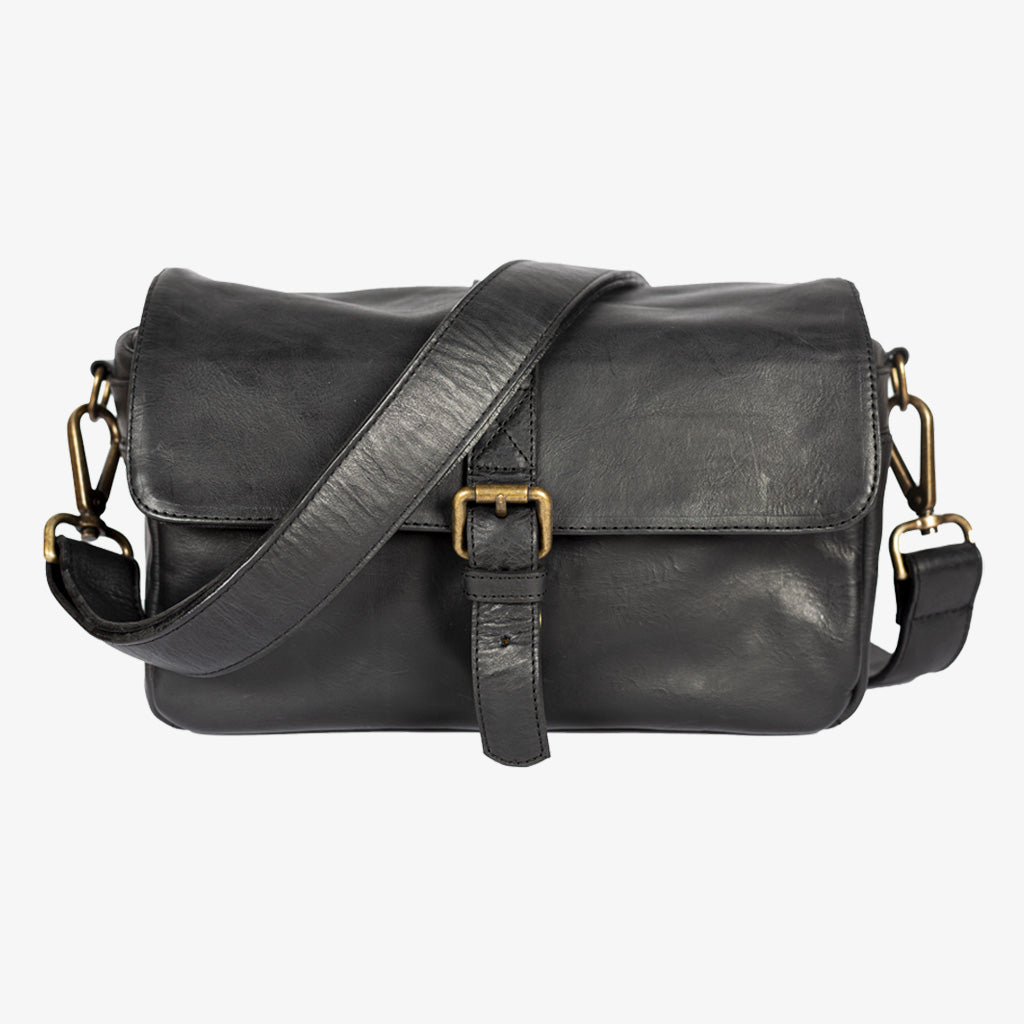
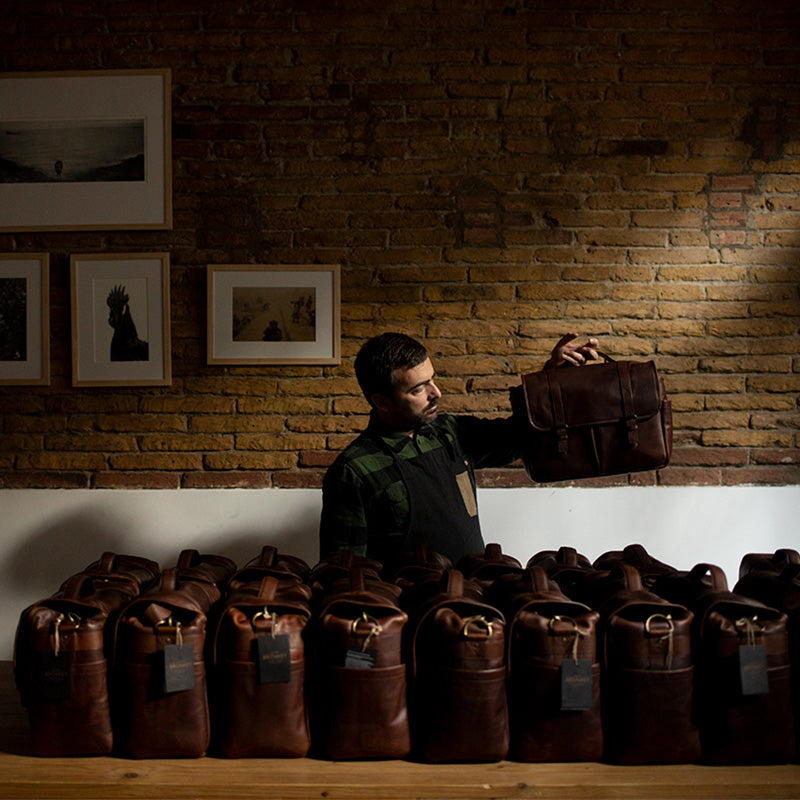
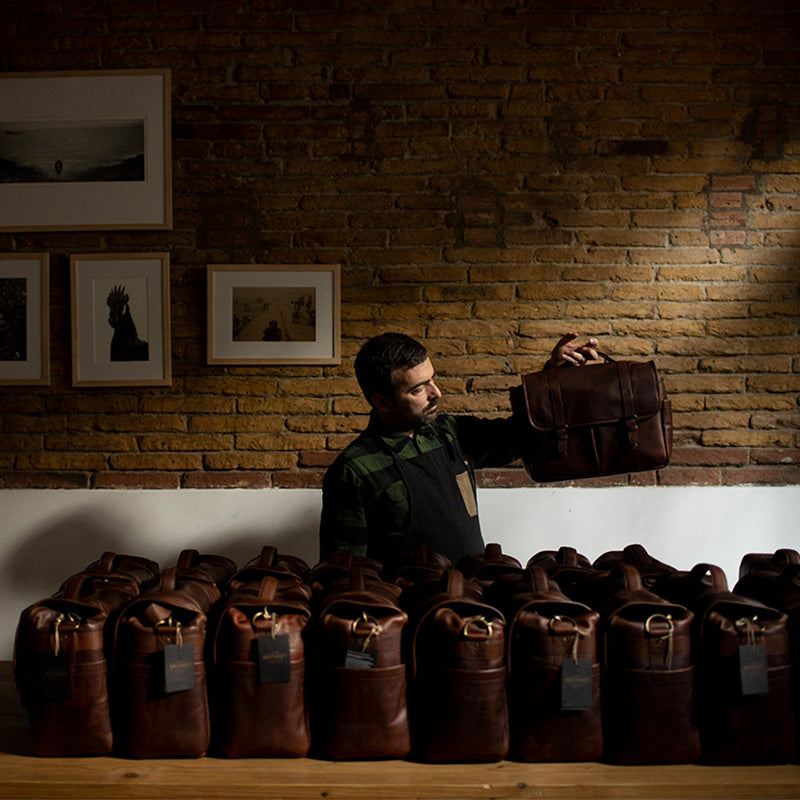
In Bronkey’s case, the commitment to manufacturing in Spain is not a temporary marketing strategy, but a structural conviction. Designing and producing leather camera straps, camera harnesses, or leather photographer bags requires working with workshops that understand both the material and the technical demands of contemporary photographers.
Finding these workshops is not easy. Many have closed; others operate at reduced capacity. The ongoing search for qualified artisans is part of the daily reality of a brand that chooses not to outsource its production to cheaper markets. It requires patience, negotiation, adaptation, and long-term commitment.
Quality Versus Mass Production
The difference between a standardized industrial product and one developed through leather craftsmanship is not merely aesthetic. It is reflected in durability, in the way the material ages, in the strength of the stitching, and in the structural coherence of the design.
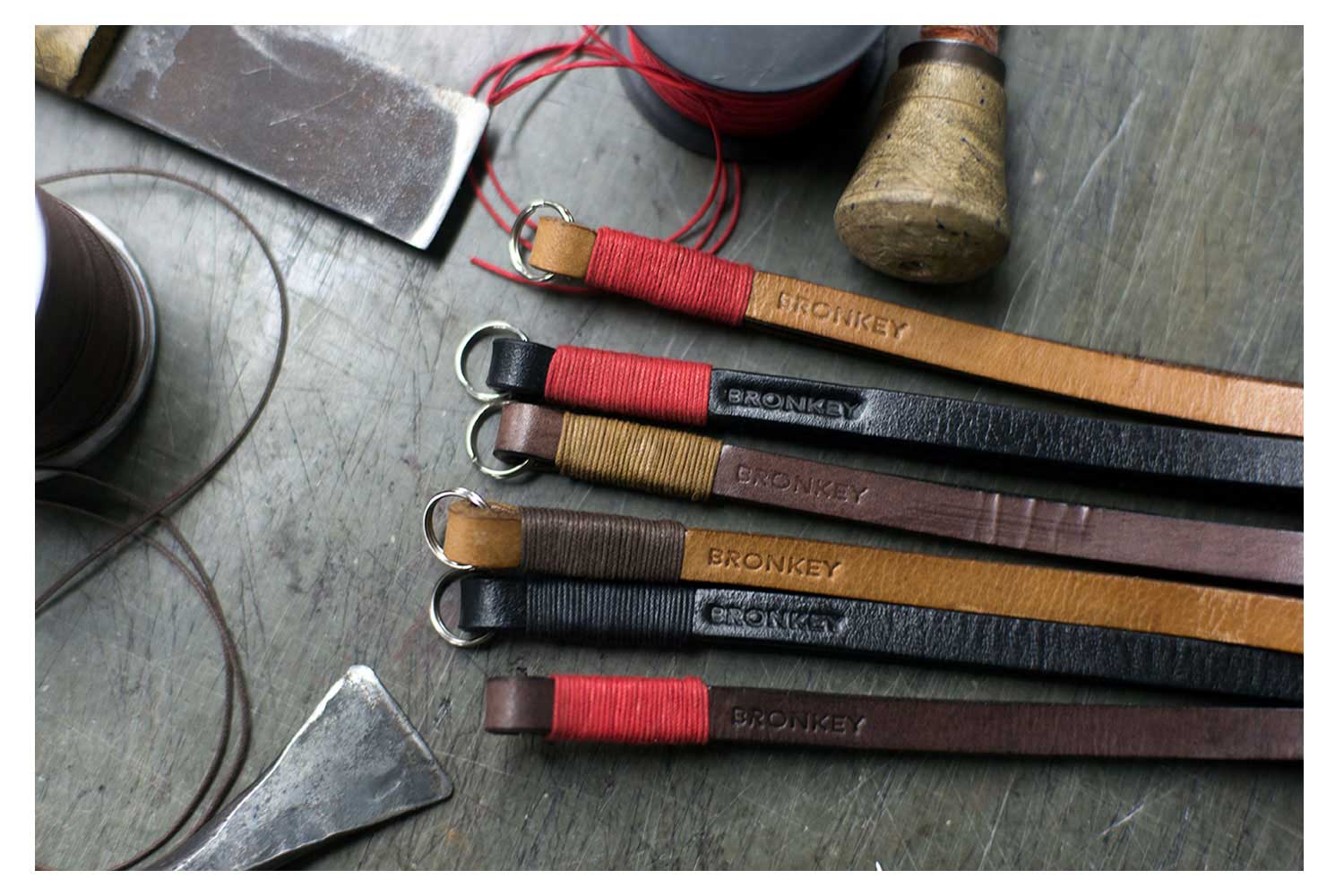
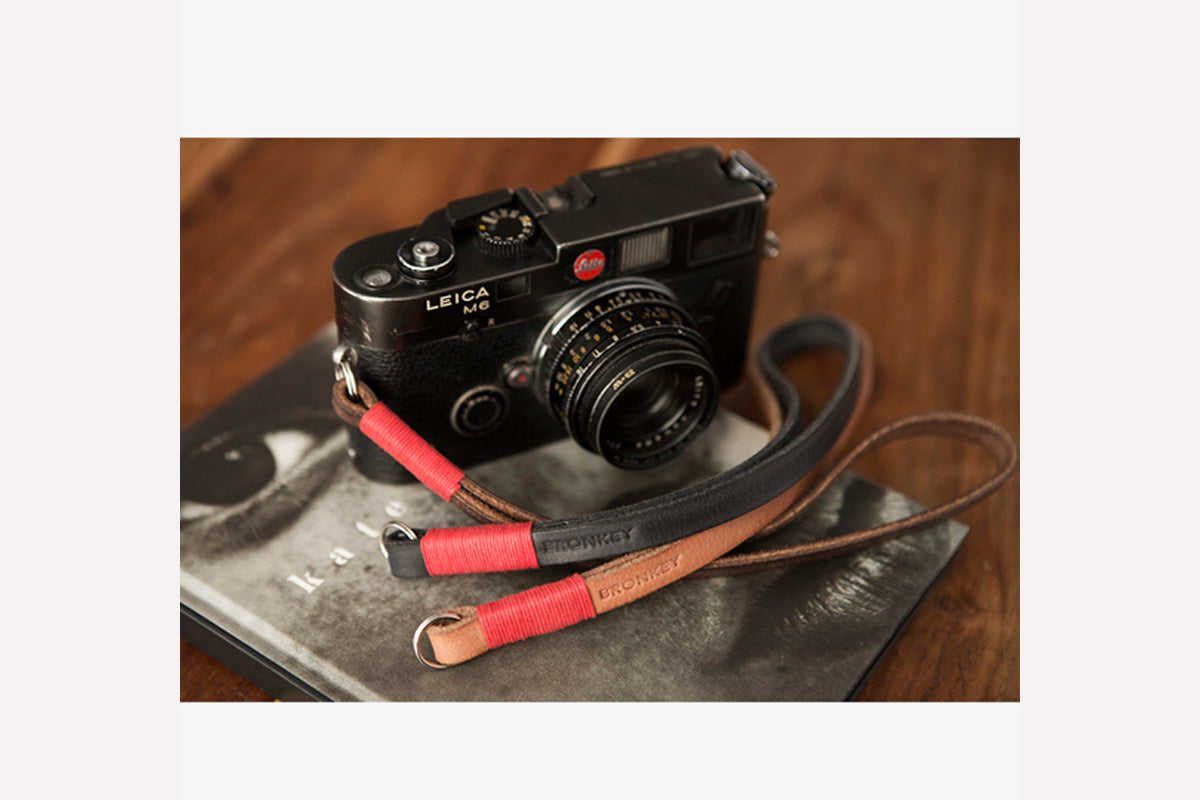
A well-crafted camera strap can accompany a photographer through years of intensive use. A properly constructed double harness for photographers distributes weight evenly, reducing fatigue during long assignments. A leather photographer bag made with technical criteria protects equipment without compromising functionality.
Real quality is not a narrative — it is the outcome of meticulous processes and carefully selected materials. And those processes require time. Mass production prioritizes speed and cost; artisanal production prioritizes results.
Sustainability Beyond Marketing
In a context where sustainability has become a recurring commercial argument, it is important to distinguish between green marketing and genuinely responsible practices.
Manufacturing locally reduces complex logistics chains and enables closer oversight of suppliers. Working with nearby workshops allows for supervision of working conditions, processes, and quality standards. Product durability — central to any handcrafted photography accessory — is also part of a sustainable logic: the longer a product lasts, the lower its replacement frequency and overall consumption impact.
Authentic sustainability is linked to producing less and producing better, not to generating high volumes with short life cycles.
The Effort to Preserve the Craft
Defending production in Spain means accepting that growth may be more gradual, scalability may not be immediate, and margins must be managed responsibly. It also means investing in long-term relationships with workshops, sharing technical knowledge, and adapting to the real capacity of artisans.
Bronkey has chosen that path — not because it is the easiest, but because it aligns with the nature of its products. Handcrafted photography accessories demand control, precision, and proximity between design and manufacturing.
Each time a new camera strap or leather photographer bag is developed, the process does not begin in an anonymous industrial chain, but in an environment where material is cut, shaped, and assembled with individual attention.
Looking Ahead with Responsibility
The future of artisan trades in Spain will depend on concrete decisions: brands that choose to maintain local production, consumers who value durability and origin, and a collective recognition that technical knowledge is not infinite if it is not cultivated.
The disappearance of workshops is not irreversible, but it requires action. Choosing manufacturing in Spain does not mean rejecting globalization; it means balancing it responsibly.
In the world of professional and enthusiast photography — where equipment accompanies stories, journeys, and life projects — it makes sense that the accessories supporting that equipment are manufactured with the same level of commitment.
Preserving leather craftsmanship is not a romantic gesture; it is a strategic decision. And every product made locally contributes, in tangible terms, to ensuring that this knowledge still exists tomorrow.
Explore this approach in the Bronkey camera bag collection, including the Paris cognac leather camera bag.
Photographer’s Buying Guide: Which Camera Carry System Do You Need?
Related reading: Why Leather Remains the Choice of Passionate Photographers.



Leave a comment (all fields required)