





Camera Wrist Straps for Street Photography: How to Choose the Right One
Street photography asks for a carry system that stays out of the way. You may be walking for hours, working in crowds, moving between sunlight and shade, or lifting the camera repeatedly without warning. A camera wrist strap is useful when the camera spends most of the day in your hand and you want a small measure of security without the bulk of a neck strap or bag.
It is not the right answer for every camera or every type of work. This guide explains when a wrist strap makes sense, what to check before buying one, and when a leather neck strap or bag is the more practical choice.
When a wrist strap is the right carry system
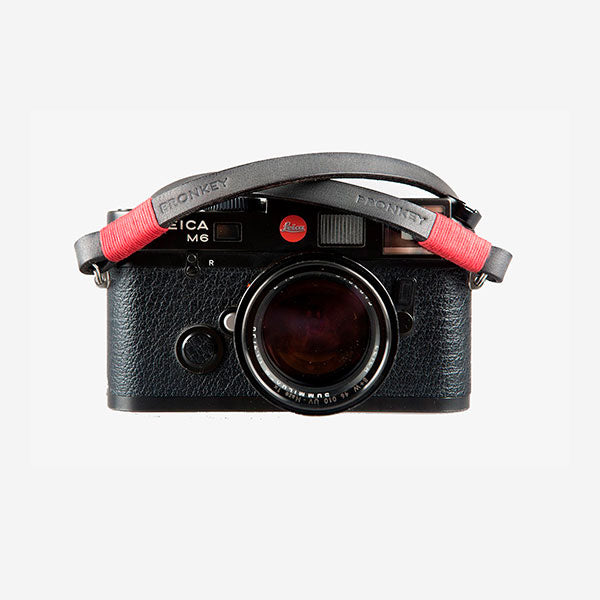
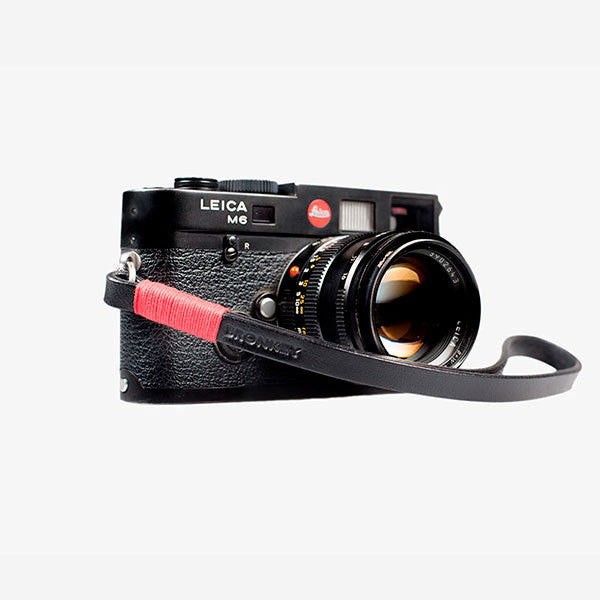
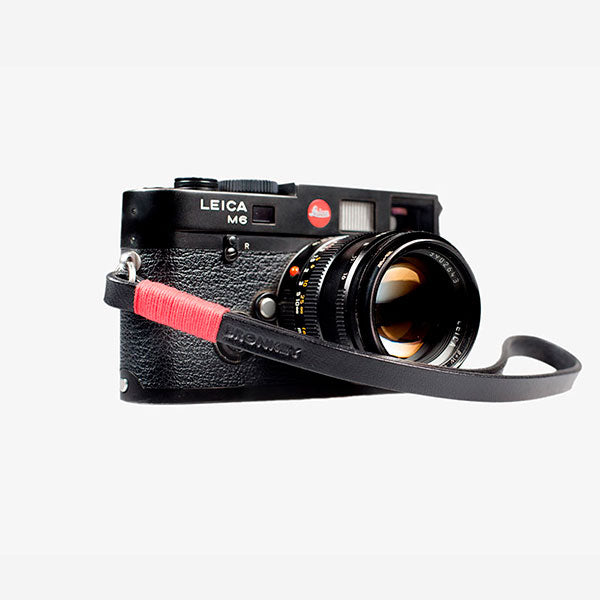
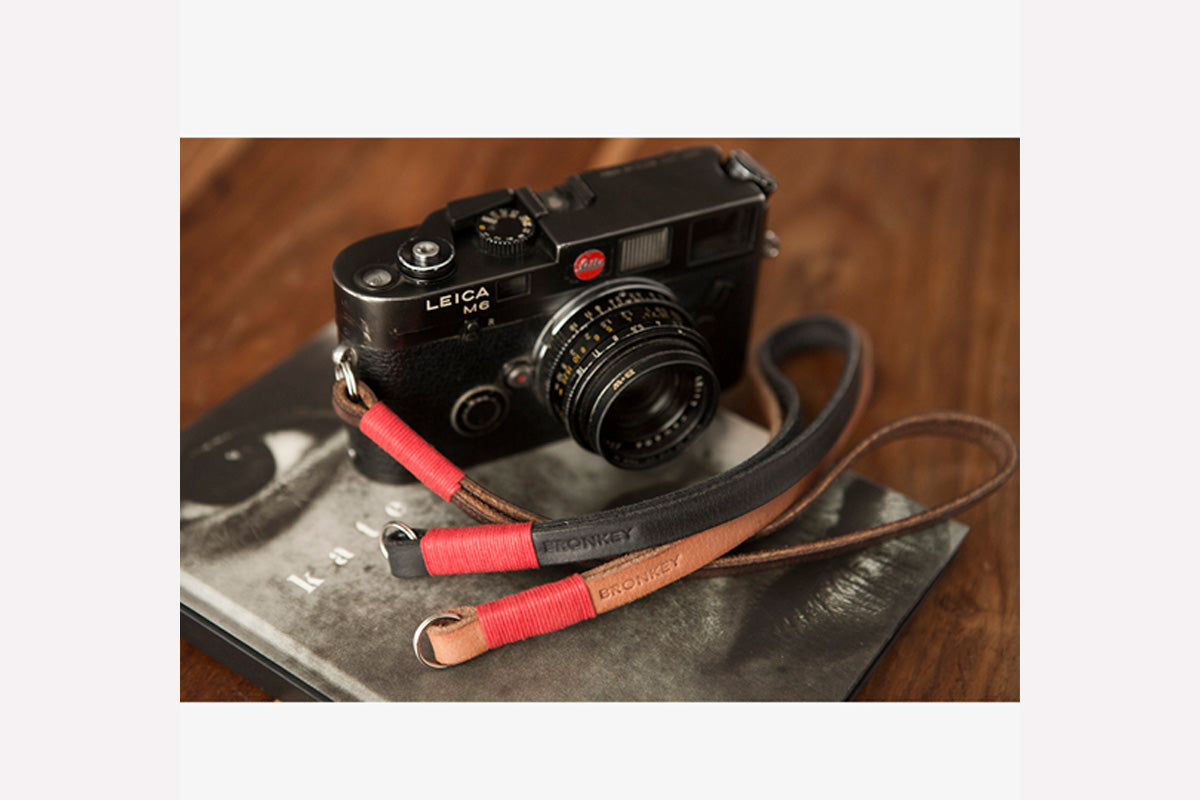
A wrist strap suits photographers carrying a compact, mirrorless or film camera for short walks and frequent shooting. It keeps the camera close to your hand, avoids a long strap moving across the frame, and gives the camera a more discreet profile in public. It can work particularly well with Leica M, Fujifilm X, Olympus OM and other smaller systems when the lens is moderate in size.
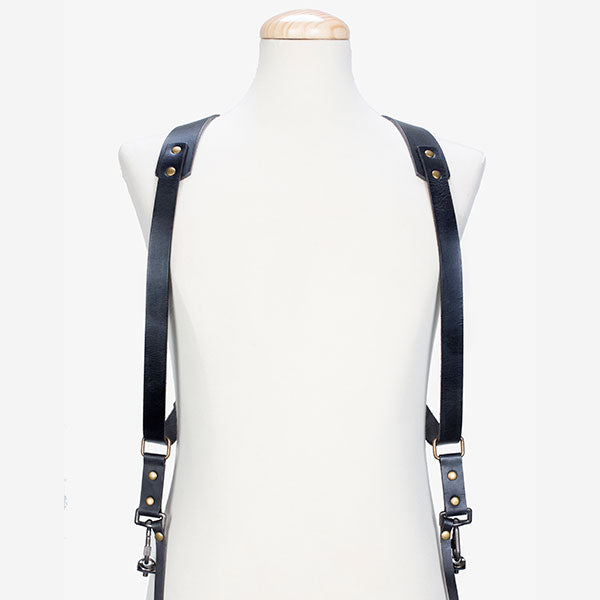
Its role is simple: it is a retention strap, not a hands-free carrying solution. When you need both hands free, walk long distances, or carry a heavier body and lens, a neck or crossbody strap gives better support. For two camera bodies, start with a dual camera harness instead.
Choose for your camera, not for a generic category
Weight and balance
Hold your camera with the lens you actually use. A compact body with a small prime feels very different from the same body with a fast zoom. A wrist strap should not twist the camera awkwardly or pull against the attachment point. If the kit feels tiring after ten minutes in hand, a wider neck or crossbody strap will usually be the better daily system.
Attachment and compatibility
Check the camera’s eyelets, split rings and lug clearance before ordering. The connection must sit cleanly without forcing the leather or metal hardware against the body. Inspect it periodically, especially after travel or use in sand, salt air and rain. Any carrying system is only as secure as its attachment points.
Fit and adjustment
A wrist strap should sit close enough to prevent an accidental drop, while leaving room to operate dials and use both hands on the camera. It should not require you to tighten it aggressively. Leather softens with use, so a well-made strap develops a more natural fit over time rather than needing to be over-tight from the first day.

Why leather works for everyday camera carry
Leather is valued less for decoration than for the way it behaves in use. It is quiet, comfortable against the wrist and develops character as it is handled. For a compact camera that is used every day, that matters. The aim is a strap you stop noticing until it prevents a small accident.
Construction matters more than a logo. Look for neat edge finishing, sound stitching, reliable hardware and a connection designed for a camera rather than a keyring. Avoid treating the strap as maintenance-free: wipe it after heavy rain, let it dry naturally away from direct heat, and check the hardware as part of normal camera care.
Wrist strap, neck strap or bag?
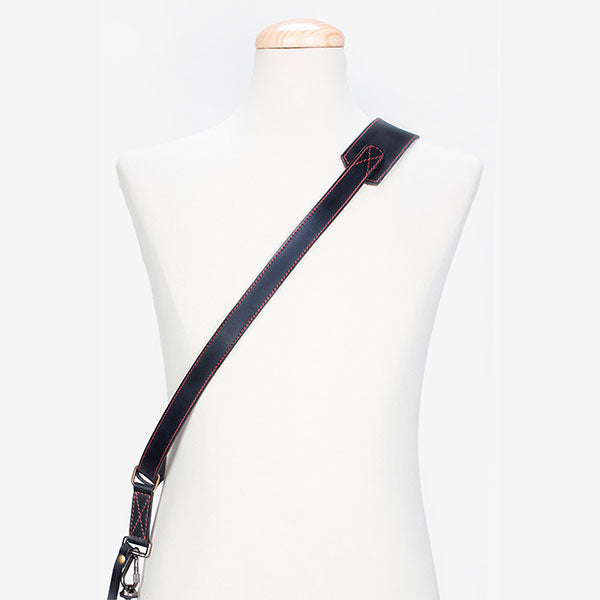
Use a wrist strap when your camera stays in your hand and you want a compact, low-profile safeguard. Choose a neck or crossbody strap when you need the camera supported between photographs. Choose a bag when the camera needs protection during transport, alongside lenses, film or batteries. Many photographers use all three depending on the day rather than forcing one system into every situation.
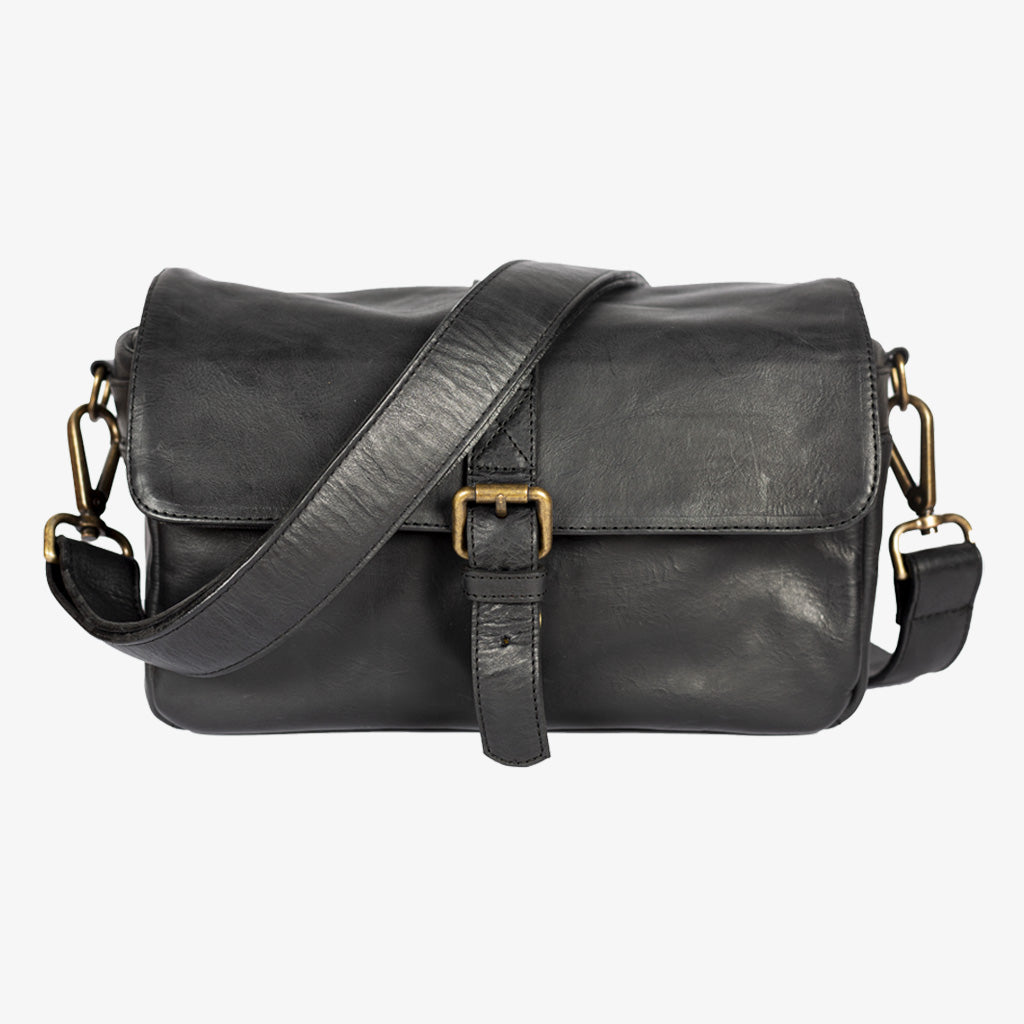
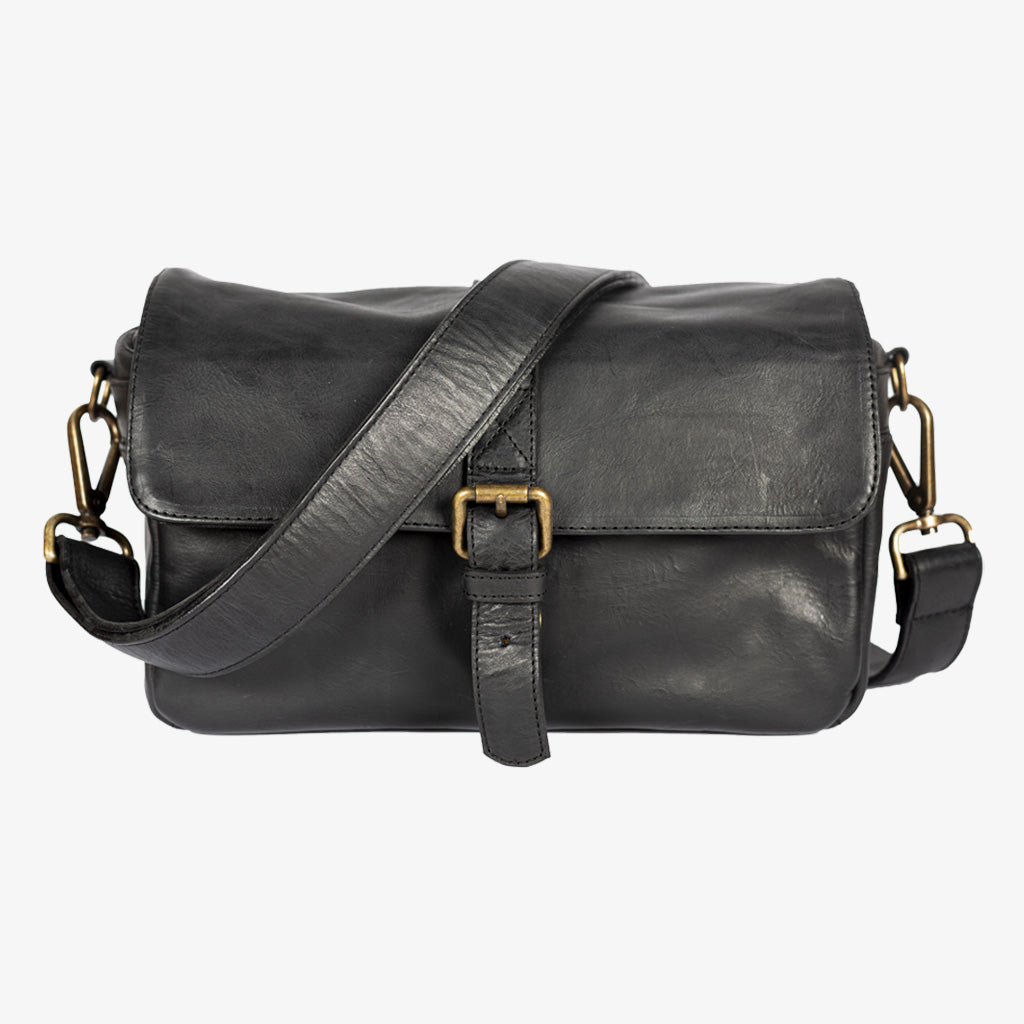
For a compact setup, pair a wrist strap with a small everyday carry option such as the Berlin Black Leather Camera Bag when you need to put the camera away between locations.

A practical street-photography checklist
- Use the camera and lens combination you actually shoot with.
- Check eyelets, rings and hardware before every important trip.
- Make sure the fit allows fast access to controls.
- Move to a neck or crossbody strap when the kit becomes heavy.
- Carry a bag when protection and spare equipment matter.
FAQ
Are camera wrist straps safe?
They can add useful protection against a drop when attached correctly and checked regularly. They do not replace careful handling or a suitable system for a heavy kit.
Can I use a wrist strap with a mirrorless camera?
Yes, especially with compact mirrorless bodies and small lenses. Judge the combination by its total weight and balance, not the camera category alone.
Is a wrist strap enough for a full day out?
It is best for active, hand-held use. For travel days, longer walks or heavier equipment, combine it with a neck strap, crossbody strap or bag.
If you are still deciding between systems, read our camera harness vs camera strap guide for a broader comparison. The right option is the one that keeps your camera ready without making you work around it.



Leave a comment (all fields required)