

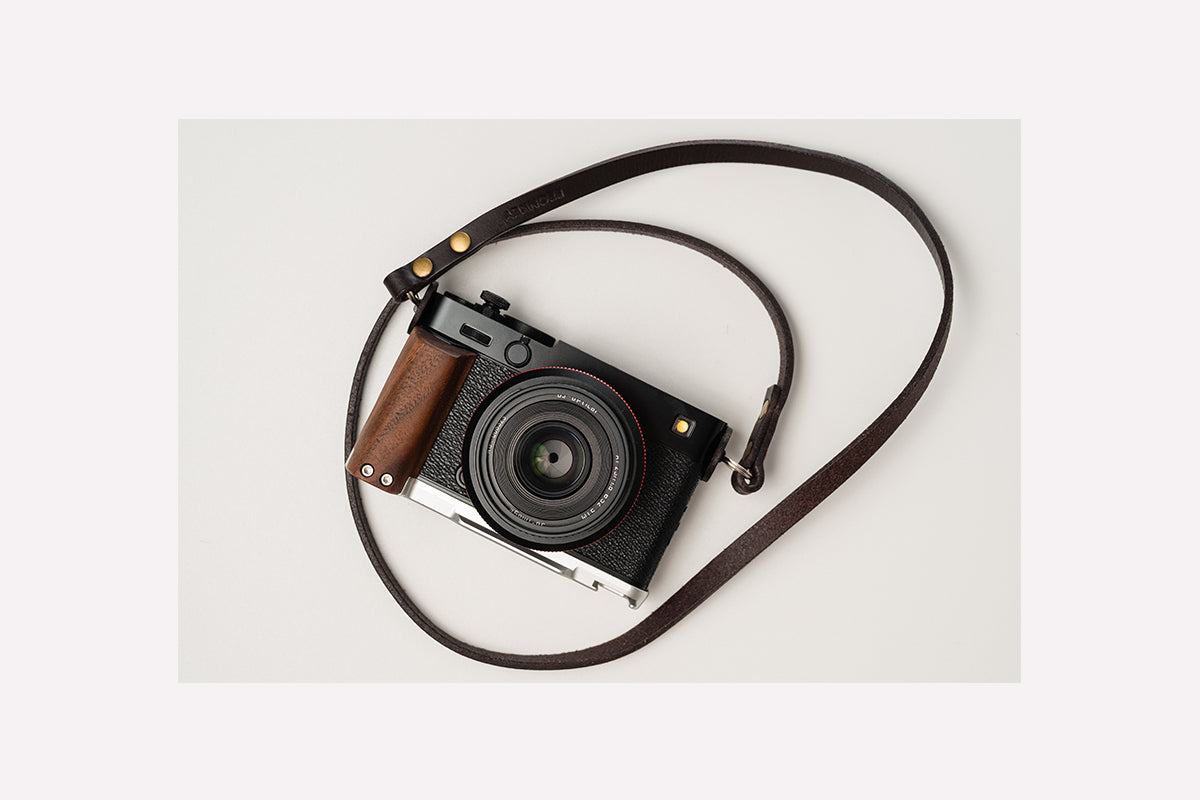


A camera strap can be beautifully made and still feel wrong if the length does not suit the way you photograph. Too short, and the camera sits high enough to restrict your movement. Too long, and it swings into door frames, tables or the person standing beside you. The right length is not simply a question of height. It depends on whether you carry the camera around your neck, on one shoulder or across your body, as well as the camera, lens and clothing you use.
Bronkey neck straps are offered in 95 cm and 120 cm lengths. Both can work well, but they create noticeably different carrying positions. This guide explains how to choose between them without relying on guesswork.
Camera strap length: the short answer
- Choose 95 cm when you want the camera to sit higher, mainly carry it around the neck or over one shoulder, and prefer less movement while walking.
- Choose 120 cm when you want more room for a relaxed shoulder position or cross-body carry, have a longer or broader torso, or regularly photograph while wearing a jacket.
Those are useful starting points, not universal rules. Two photographers of the same height can need different lengths because shoulder width, torso length and preferred camera position all change the fit.

What 95 cm feels like in practice
A 95 cm strap is approximately 37.4 inches long. For many photographers it places a compact or mirrorless camera around the upper chest when worn around the neck. The camera stays close to the body, moves less when walking and is easy to steady with one hand in a crowded street or while stepping onto public transport.
This shorter position can work particularly well for rangefinder-style bodies, small film cameras and mirrorless cameras with compact prime lenses. It also suits photographers who lift the camera frequently and prefer a direct movement from chest to eye.
When 95 cm is usually the stronger choice
- You carry the camera around your neck rather than diagonally across the torso.
- You work in busy streets, events or interiors where a swinging camera can hit objects.
- Your usual kit is compact and you want it to remain close.
- You often place the camera inside a bag and want less loose strap to manage.
- You prefer a clean, relatively high carrying position.
The limitation appears when you try to wear a short strap cross-body. Depending on your build, the camera may sit too high under the arm or the strap may restrict how easily you raise it to your eye. Thick winter clothing can make the same strap feel shorter again.

What 120 cm feels like in practice
A 120 cm strap is approximately 47.2 inches long. The extra 25 cm changes more than the resting height of the camera: it also gives the strap room to travel diagonally across the body. For many photographers this is the more flexible option for walking, travel and everyday documentary work.
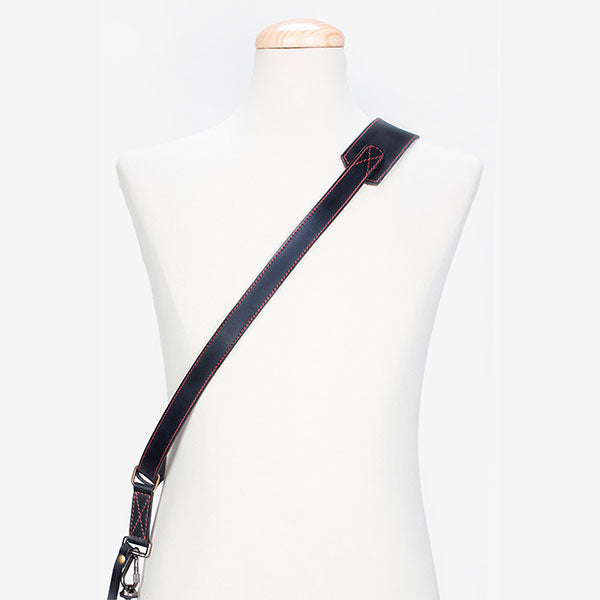
Cross-body carry can feel secure because the strap passes over one shoulder and the camera rests toward the opposite hip. It is less likely to slide off the shoulder, and the camera can be moved behind the body when both hands are needed. A longer strap can also be more comfortable over a coat or for photographers with broader shoulders.
When 120 cm is usually the stronger choice
- You normally wear the camera across your body.
- You prefer the camera to rest around the lower chest or hip.
- You have a long or broad torso and 95 cm feels restrictive.
- You photograph outdoors in layers or a winter jacket.
- You want one strap that can move between neck, shoulder and cross-body use.
Longer is not always more comfortable. If the camera hangs too low, it can build momentum as you walk and strike the hip with every step. A heavy body and lens can exaggerate that pendulum effect. The answer is not automatically a longer strap, but the length that places your normal camera where your hand naturally reaches it.
Height is only one part of the decision
Generic size charts often recommend a strap solely from the photographer's height. Height helps, but torso length and shoulder width matter more than many people expect. Carry style matters most of all. A photographer who is 180 cm tall and wears the camera high around the neck may prefer 95 cm; a shorter photographer who carries cross-body over a coat may need 120 cm.
The camera itself changes the result too. A small body with a light prime sits differently from a full-frame camera with a large zoom. Heavier equipment tends to pull a leather strap straighter and may feel better slightly higher, where there is less room to swing.

The five-minute measurement test
The most reliable way to choose a fixed strap length is to reproduce the real carrying position before ordering.
- Fit your usual lens to the camera. Test with the setup you carry most often, not an empty body.
- Use a soft measuring tape or a piece of cord and attach or hold it at the camera's strap lugs.
- Wear it around your neck, on your shoulder and across your body.
- Adjust the loop until the camera rests where your hand reaches it naturally.
- Raise the camera to your eye several times, then walk, crouch and sit down.
- Measure the final loop and compare it with 95 cm and 120 cm.
Repeat the test while wearing the thickest jacket you normally photograph in. If you are between the two sizes, decide which carry style you use for most of the year rather than trying to optimise for every possible situation.
Think about the whole camera-and-lens combination
Strap length affects movement, but it does not change the weight of the equipment. A longer strap may feel freer, yet a heavy zoom hanging low can become tiring and unstable. A shorter strap keeps the equipment closer, although concentrating weight at the neck is not ideal for every long assignment.
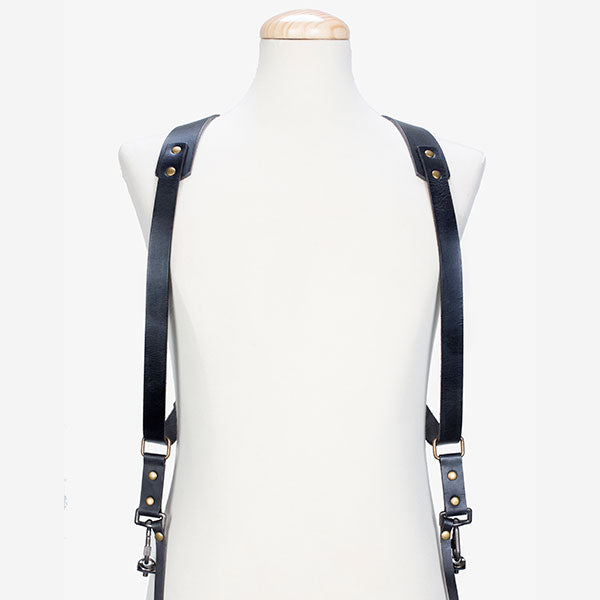
If you routinely work with two cameras, length is no longer the only question. A camera harness and strap comparison can help you decide whether a system that distributes two bodies across the shoulders is more appropriate than wearing two separate neck straps.
Fixed length or adjustable strap?
An adjustable strap is useful when several people share a camera or when you change frequently between summer clothing and heavy layers. A fixed-length leather strap offers a cleaner profile with fewer moving components, but only when the size is chosen carefully.
The advantage of two clear options is simplicity. A 95 cm strap supports a close neck or shoulder carry; 120 cm creates more space for lower and diagonal positions. Neither size is inherently more professional. The better one is the size you stop noticing while you work.
Choosing a Bronkey strap
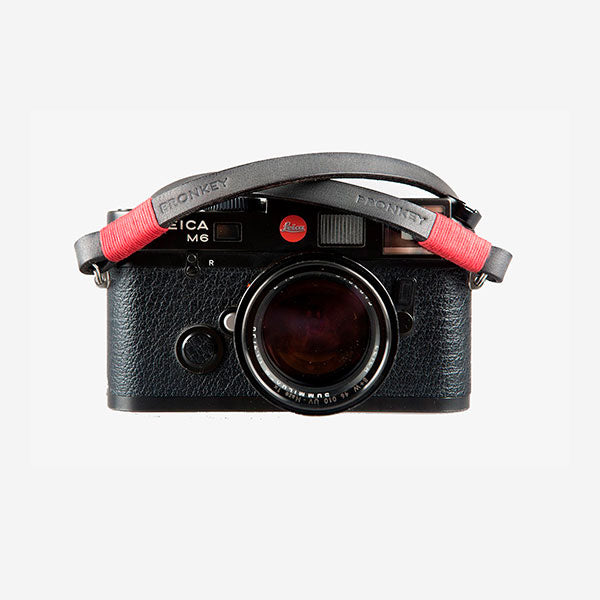
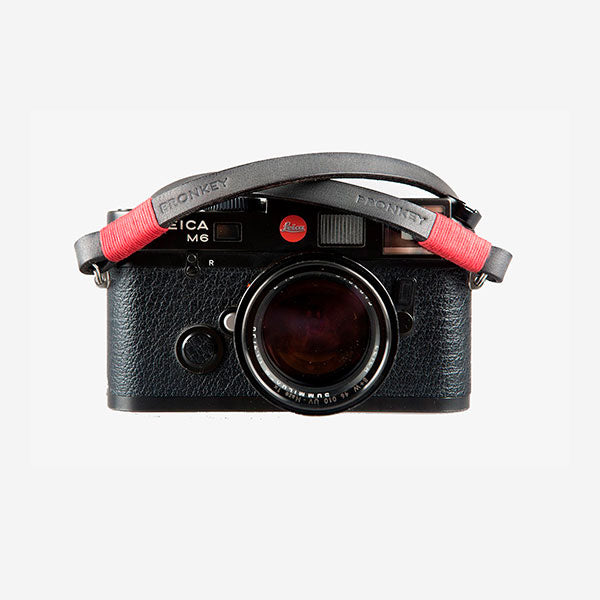
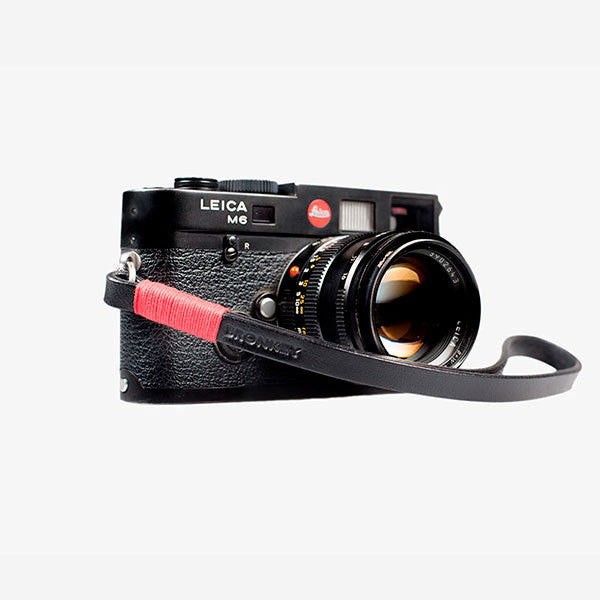
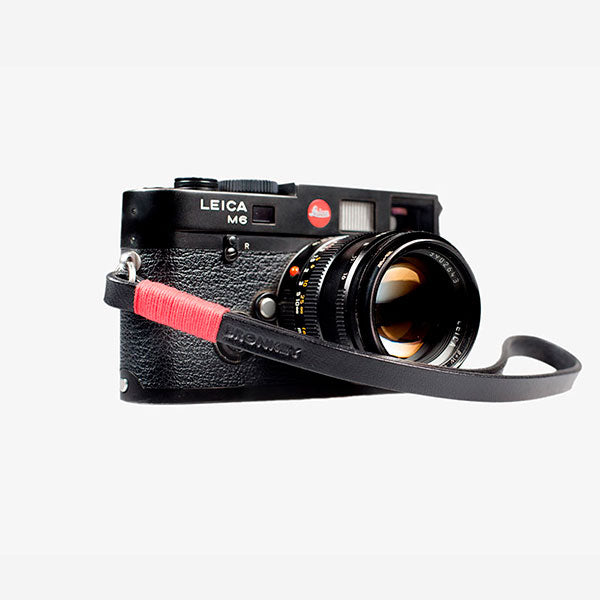
The Tokyo #101 leather camera strap is available in 95 cm and 120 cm versions, making it a useful reference when comparing the two fits. The broader leather neck camera strap collection includes different colours and styles for photographers who want a simple one-camera setup.
If your priority is a lower diagonal position and quick movement from hip to eye, also compare the sling and cross-body camera straps. A purpose-designed sling can be the better tool when cross-body carry is your normal working method rather than an occasional alternative.
A practical decision
Choose 95 cm if you want the camera compact, high and controlled. Choose 120 cm if you need space for cross-body use, outerwear or a broader torso. Then confirm the choice with a cord and your real camera. Five minutes of testing tells you more than a chart based on height alone.
The best camera strap length is the one that lets the camera remain available without demanding your attention. Once the fit is right, the strap becomes part of the working rhythm rather than another piece of equipment to manage.
Frequently asked questions
Is a 95 cm camera strap too short?
Not for photographers who carry a camera around the neck or high on one shoulder. It can feel short for cross-body use, especially with a broad torso or thick jacket, so test the position with cord before choosing.
Is 120 cm long enough for cross-body carry?
For many photographers, yes. Body shape, clothing and where you want the camera to rest all matter, so 120 cm should be checked against your own measurement rather than treated as a universal fit.
Should a camera rest on the chest or hip?
A higher chest position reduces swing and keeps the camera close. A lower hip position can feel more relaxed and works naturally for cross-body carry. The correct position is the one that lets you reach the grip quickly without the camera striking your body as you walk.
Does the lens affect the strap length I should choose?
Yes. A heavy lens changes the balance and increases movement. Test with the camera-and-lens combination you use most, not the camera body alone.
How can I measure for a camera strap at home?
Use a soft tape or cord between the camera's strap lugs, position the camera where you want it to sit, and measure the resulting loop. Repeat the test with your normal jacket and raise the camera to your eye several times before deciding.



Leave a comment (all fields required)