

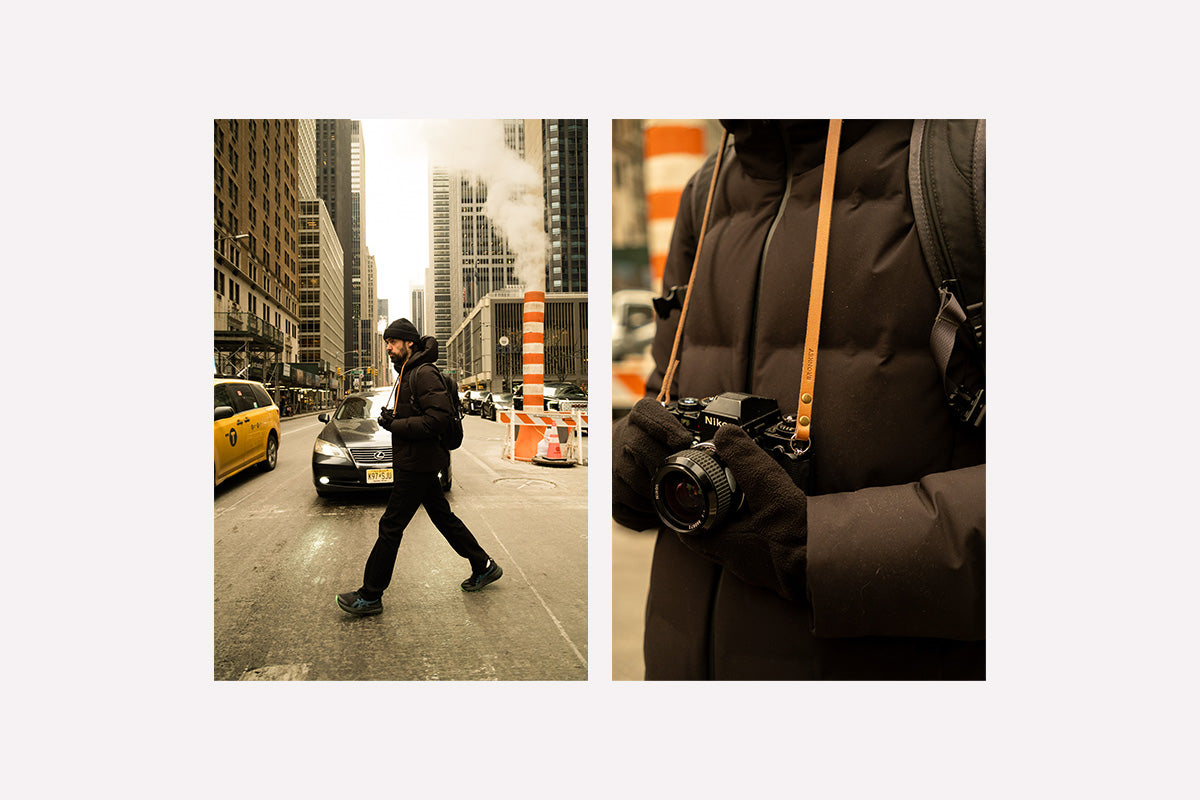


Travel photography quickly exposes weak carrying choices. A system that seems fine for ten minutes can become tiring after a flight, a long walk through a city or a day moving between stations, museums and changing weather. The right solution keeps the camera protected while you move, ready when a picture appears, and comfortable enough that you keep carrying it.
Start with the equipment you genuinely use on a trip: one camera and one lens, a compact two-lens kit, or two bodies for demanding work. Then choose between a neck strap, crossbody carry, a camera bag or a combination. The aim is to reduce friction, not add equipment.
Start with the way you photograph when travelling
Before comparing bags and straps, look at your real routine. A street photographer walking all day with one mirrorless camera needs immediate access and a system that does not attract attention. A landscape photographer may need a bag for spare lenses, filters and a jacket while keeping the camera ready during short walks. A documentary photographer travelling for work may need two focal lengths or two bodies and therefore a more deliberate setup.
Write down the camera, lenses, batteries and personal items you actually carry. Remove the items you only take “just in case”. A carrying system becomes more comfortable when it is built around a defined load. It is also easier to control equipment in airports, stations and busy streets.
One camera and one lens: keep the system simple
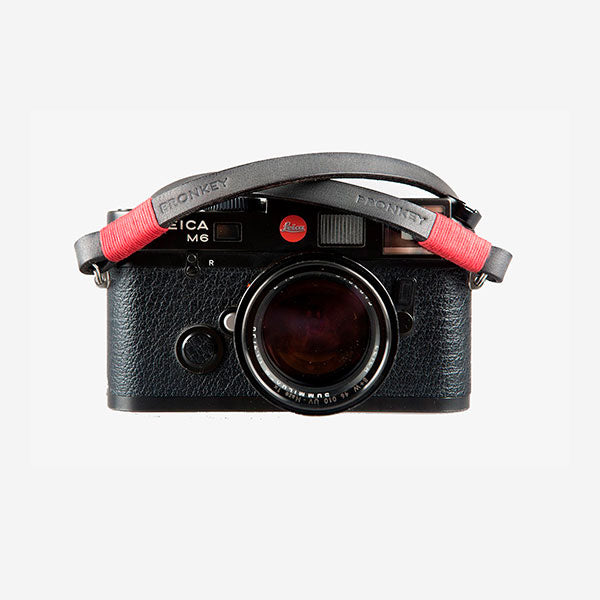
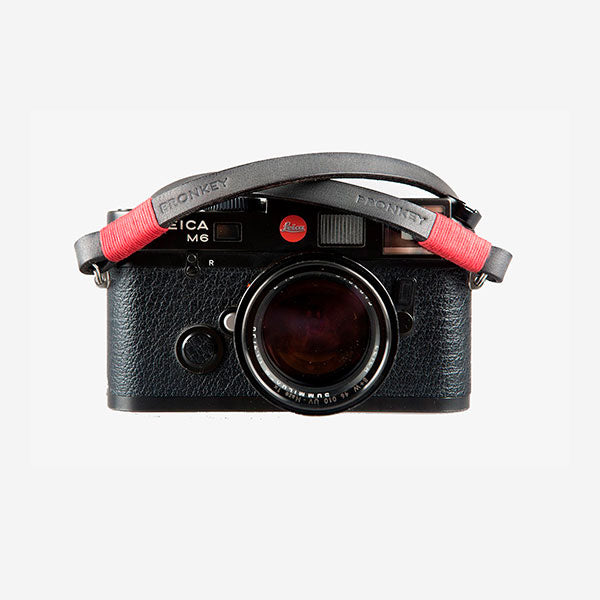
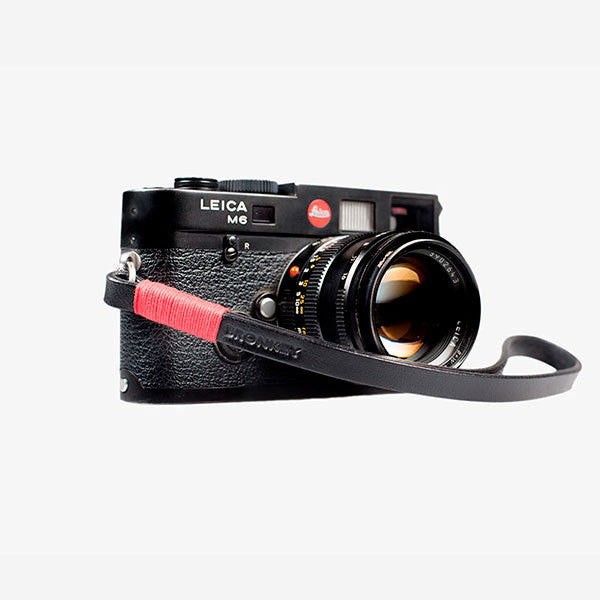
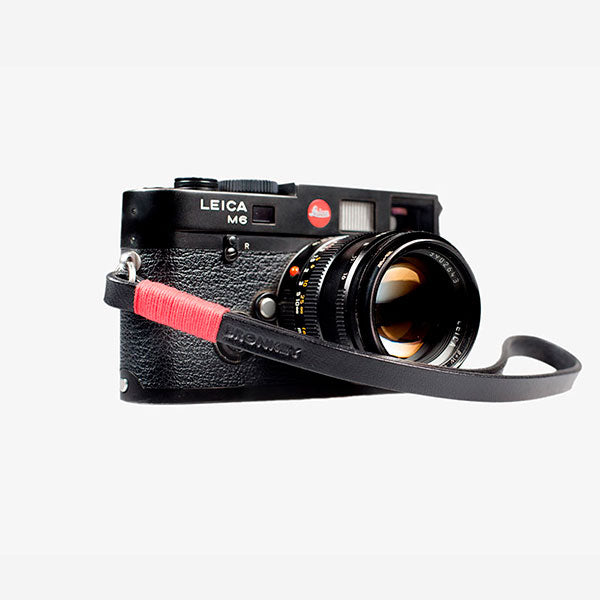
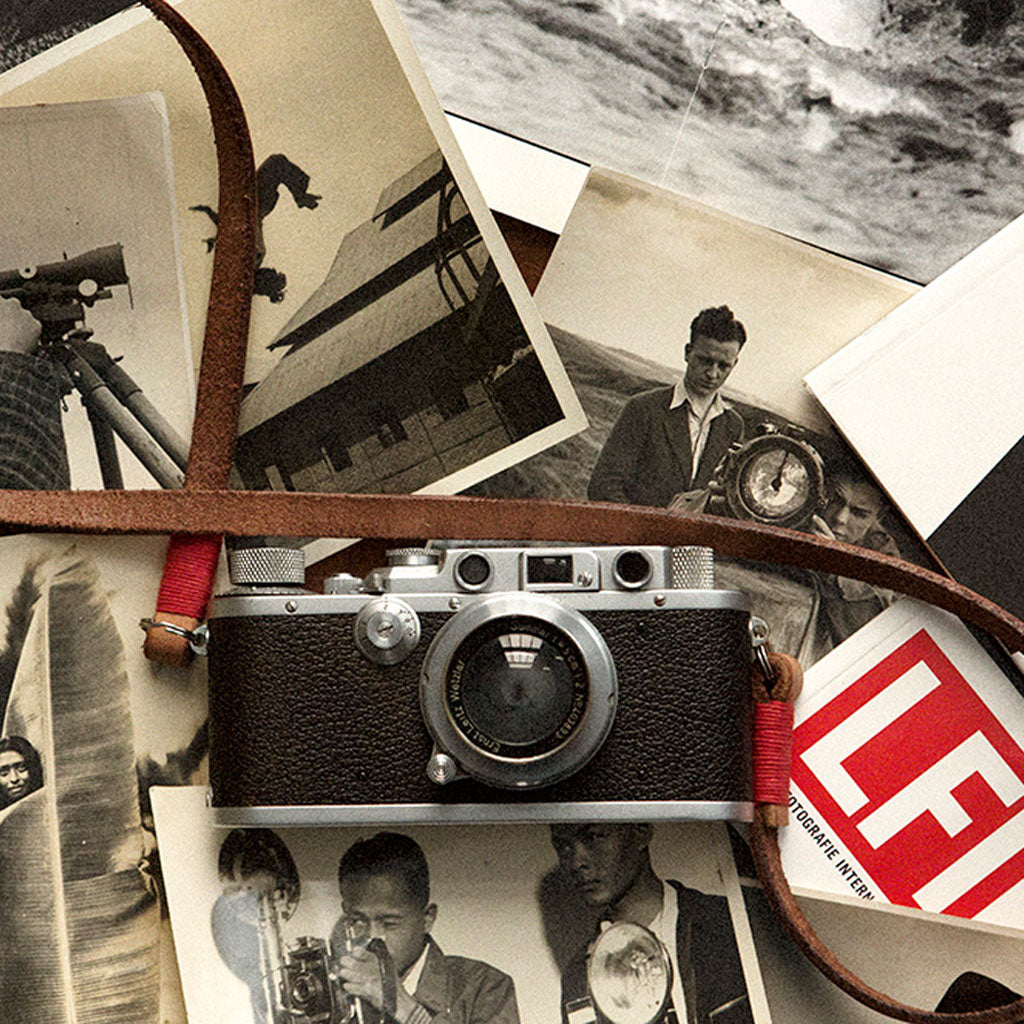
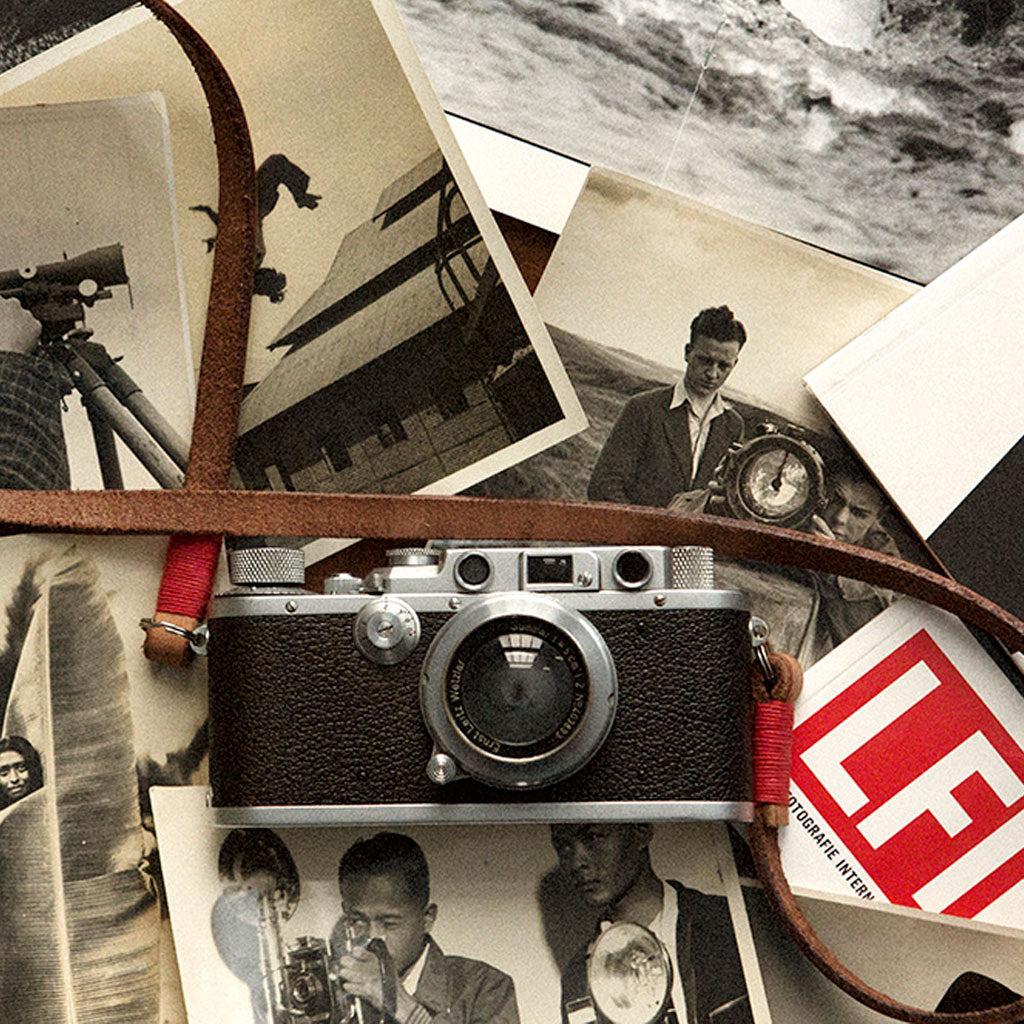
For a small mirrorless camera, compact rangefinder or film camera with one lens, a good neck strap is usually the most direct option. It leaves the camera ready at chest height, works while walking and takes almost no room inside luggage. A leather strap is useful when you want a quiet, durable piece that becomes more familiar with use rather than feeling like technical equipment.
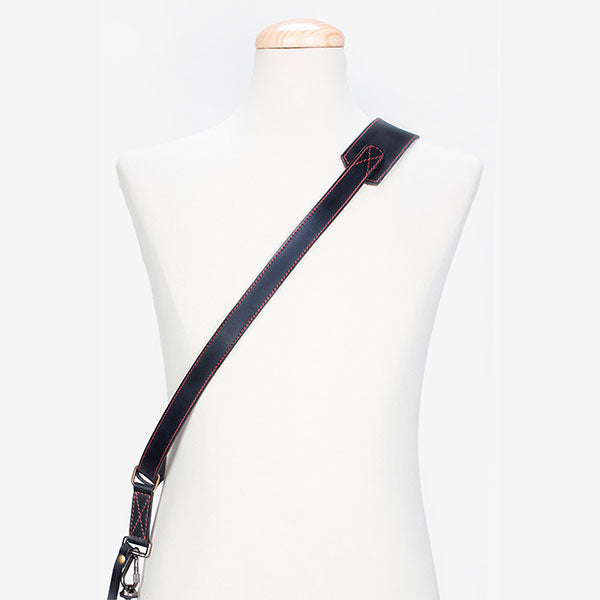
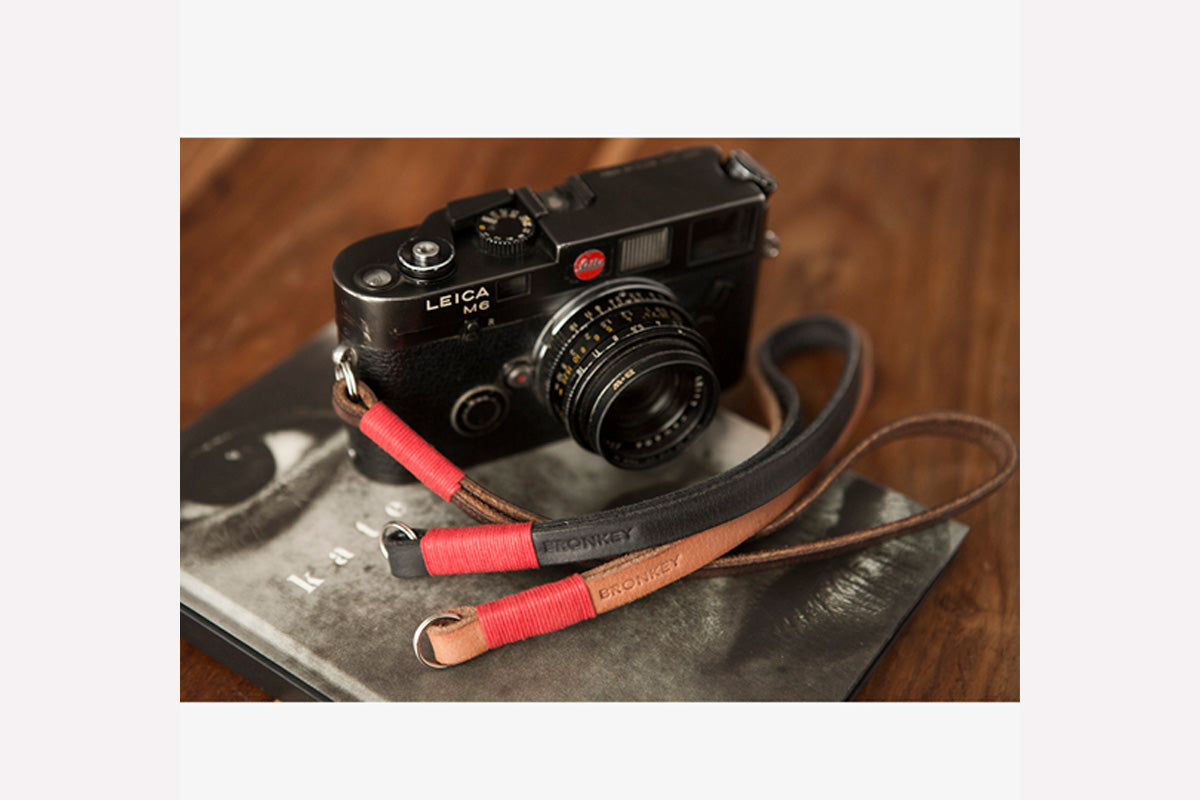
Choose the length for your body and how you lift the camera. A shorter strap keeps it close and controlled in crowds. A longer option gives more room to wear it over the shoulder or diagonally across the body between photographs. The Tokyo #101 leather camera strap is a compact, hand-finished option for a single-camera travel kit. It is best when the kit itself stays disciplined; no strap makes a heavy multi-lens setup feel light.
Two lenses or a small daily kit: add a camera bag
When you travel with a second lens, charger, spare batteries, notebook or small personal items, a dedicated bag can make the day easier. Capacity is only part of the question. You need access without unpacking everything, enough structure to stop equipment knocking together, and a shape that sits naturally while you walk.
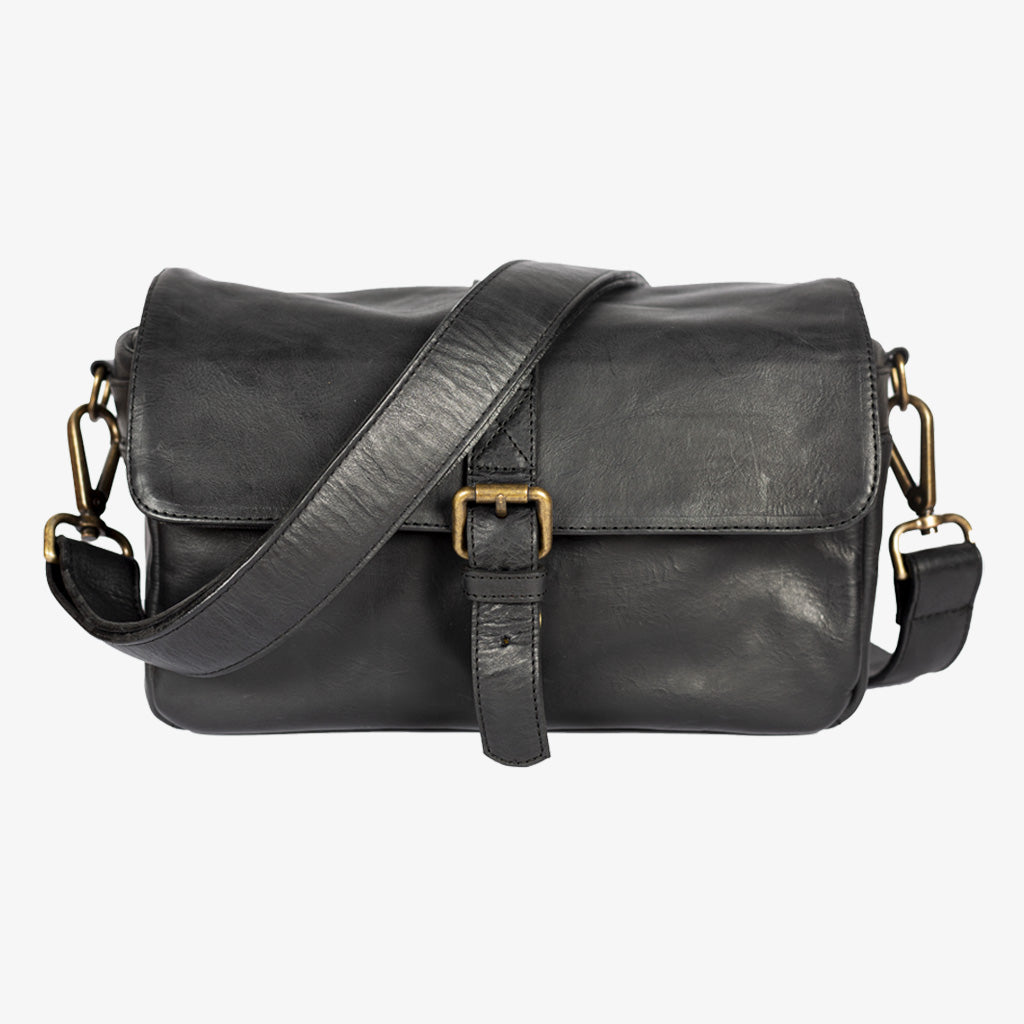
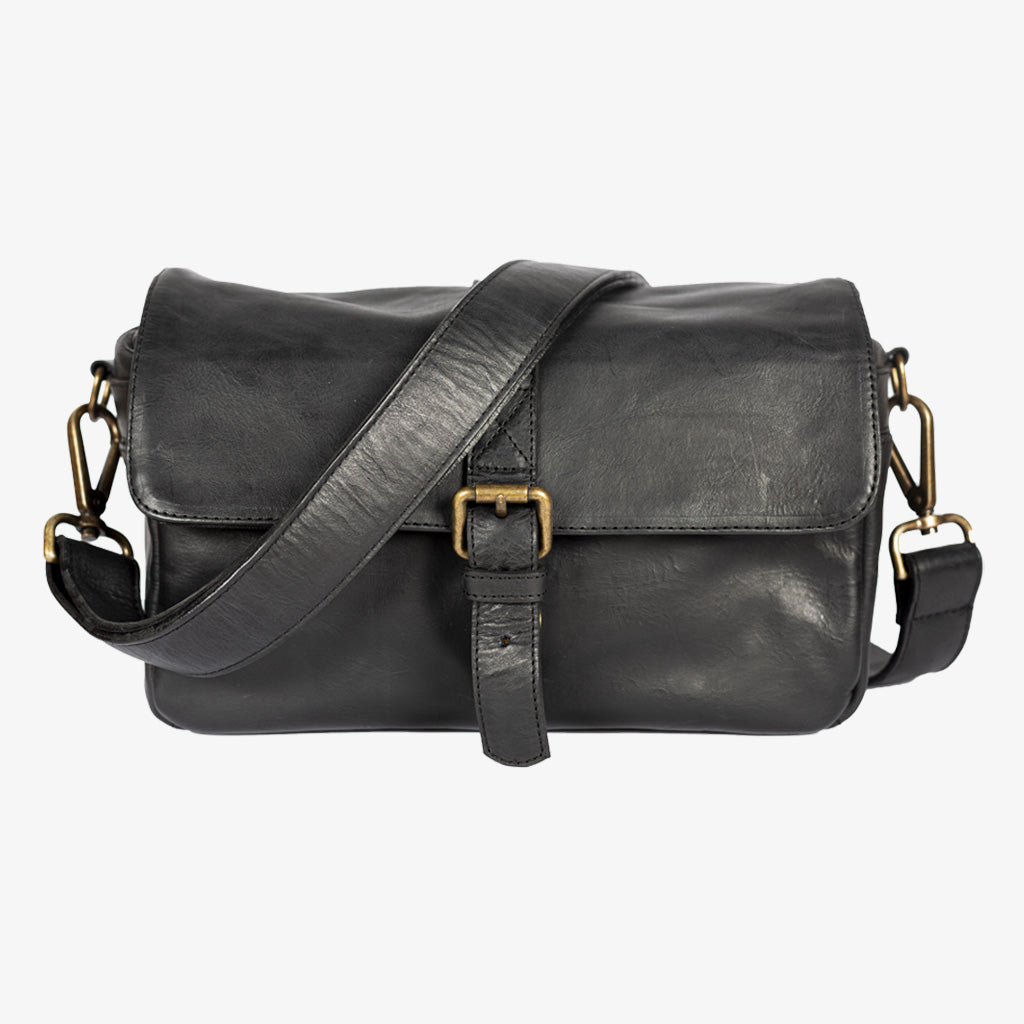
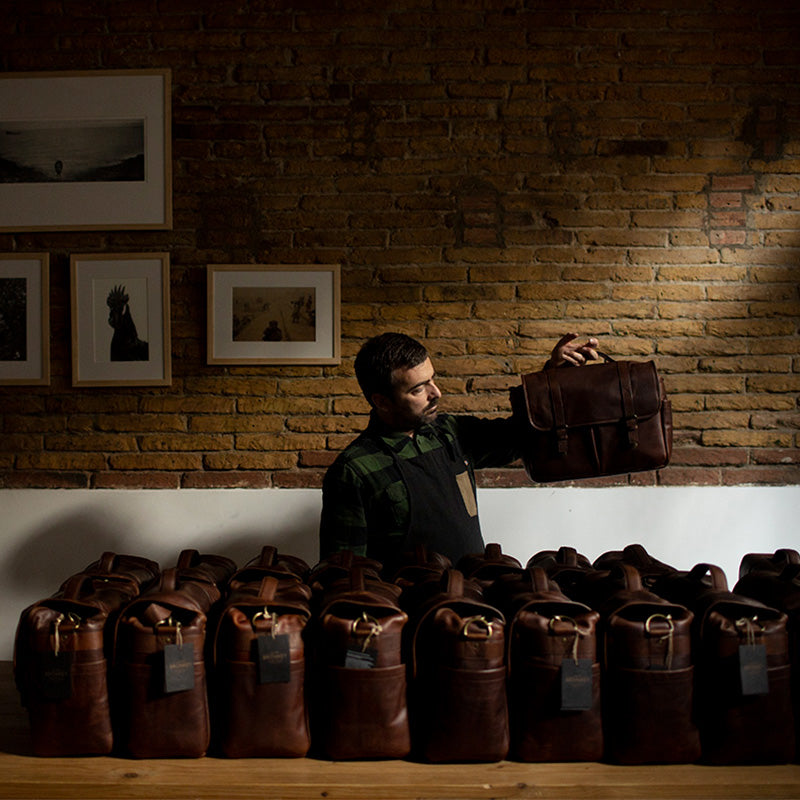
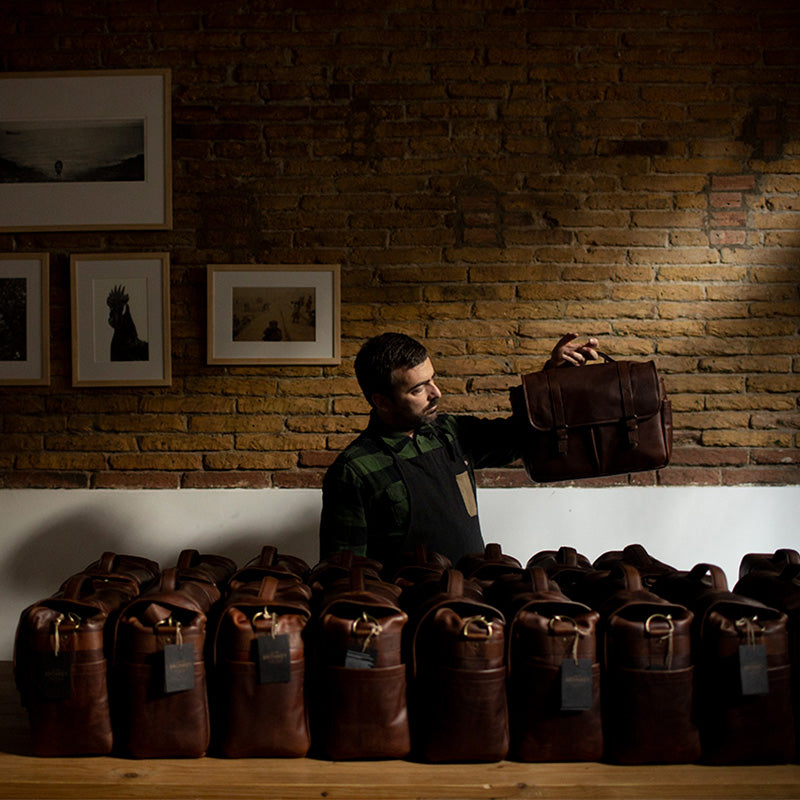
A compact shoulder bag works when you want the camera available but do not want it hanging from your neck continuously. It also lets you put the camera away before entering a crowded station, a café or an airport security queue. In the Bronkey camera bag collection, choose the bag that fits your actual camera and lenses with a little working space rather than the largest option. Unused volume often means unwanted movement inside the bag.
The Paris cognac leather camera bag suits a mirrorless body with two or three small lenses, depending on their dimensions. Its padded compartment and removable dividers let the interior follow the equipment you take that day. Check the measurements of every lens before choosing any bag: a product description can guide a decision but cannot replace your own kit dimensions.
Crossbody carry: when access matters most
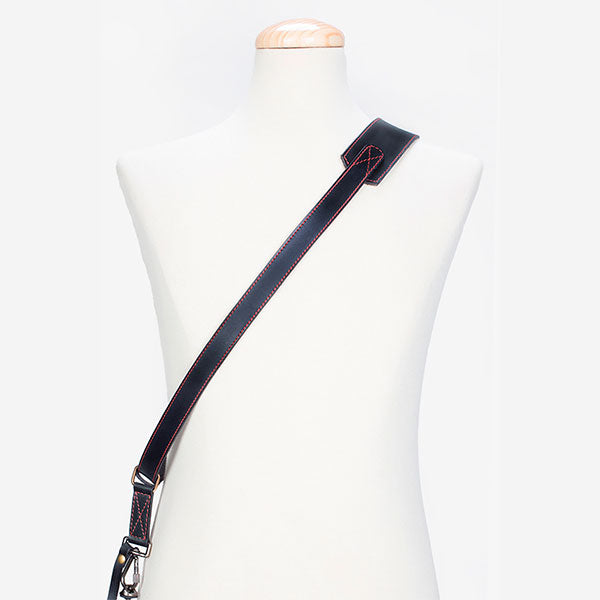
A crossbody position is a practical middle ground for urban travel. It keeps weight closer to the body than a loose shoulder bag and lets you turn the bag or camera forward when you need to work. For a camera worn on a strap, carrying it diagonally rather than straight from the neck can reduce swing while walking. Comfort depends on strap length, camera weight and how often you lift it to your eye.
Test the position before departure with the same lens and outer clothing you expect to use. A system that works over a T-shirt may behave differently under a jacket. Avoid relying on a bag or strap to carry more than it was designed for, and inspect all camera attachment points before each day of travel.
Two cameras: use a system built for the job
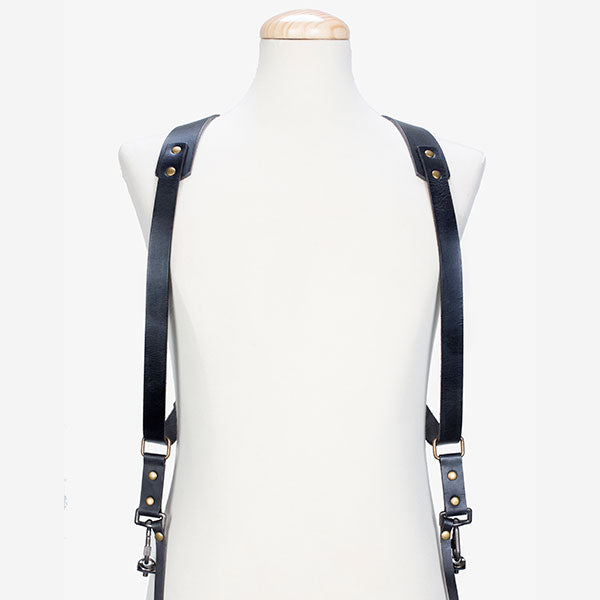
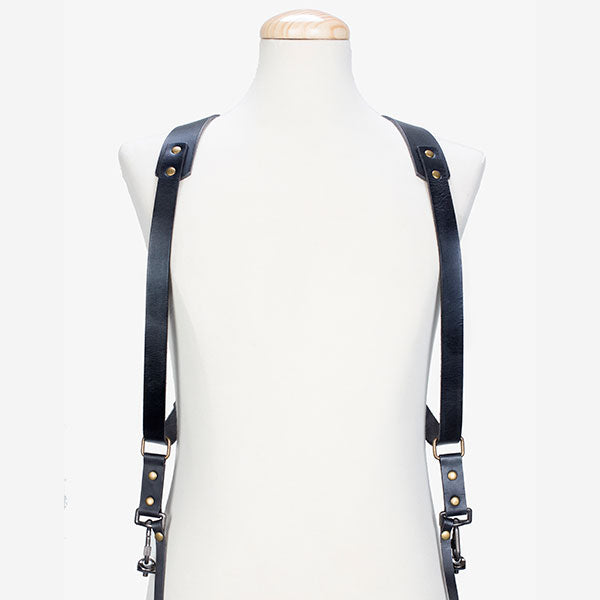
Two cameras can make sense when each has a clear role: wide lens on one body, longer lens on the other; digital alongside film; or one ready while the other is protected. It becomes awkward when two independent neck straps twist together, concentrate weight at the neck and leave cameras swinging against each other.
For work that regularly needs two cameras, a dedicated harness distributes the load and separates the bodies. Read Camera Harness vs Camera Strap for the practical differences. For most leisure travel, two bodies are only worth carrying if they solve a real creative need. A lighter kit makes you more likely to walk, look and photograph.
Build a travel carry routine
- In transit: keep the camera stored or close to the body, with batteries and cards in the same place every day.
- While photographing: keep one lens mounted, cap loose items and avoid opening the whole bag in busy places.
- At day’s end: check attachment points, remove moisture and put cards in their usual place.
- Before flying: place camera gear in cabin luggage and confirm airline rules for batteries.
Frequently asked questions
Is a camera bag necessary for travel photography?
Not for every trip. One camera and one lens can be carried well with a strap. A bag becomes useful when you need extra lenses, batteries, personal items or a protected place to store the camera between locations.
Is a neck strap or crossbody position better for travelling?
A neck strap is simple and immediate. A crossbody position can feel more stable while walking. Test both with your actual equipment and choose the position that keeps the camera controlled without restricting movement.
How much camera equipment should I take on a trip?
Take equipment that supports the photographs you intend to make. For many trips, one body and one or two lenses creates more freedom than a larger kit carried out of habit.
A travel carrying system should disappear from your attention once it is in use. Choose the smallest honest setup for your work, then let the journey determine the photographs. Explore Bronkey’s handmade camera straps and bags when you want equipment designed for years of use rather than one season.



Leave a comment (all fields required)